Tasmania’s high rate of prisoners returning to custody has renewed calls for stronger rehabilitation and transition support, as a small peer-coaching program reports encouraging early results.
Almost 47 per cent of people released from Tasmanian prisons were back behind bars within two years, according to the Productivity Commission’s latest Report on Government Services data for 2024–25. At 46.6 per cent, the state’s rate was exceeded only by New South Wales and the Northern Territory.
Life after prison brings practical barriers
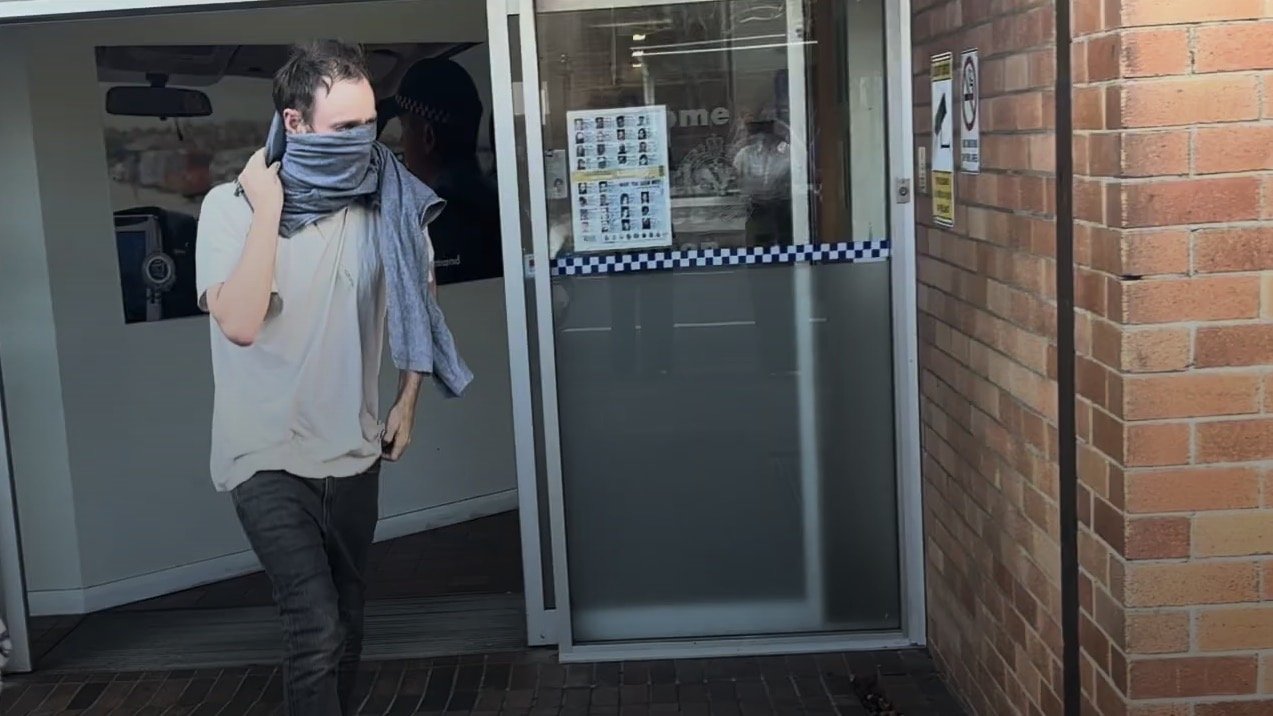
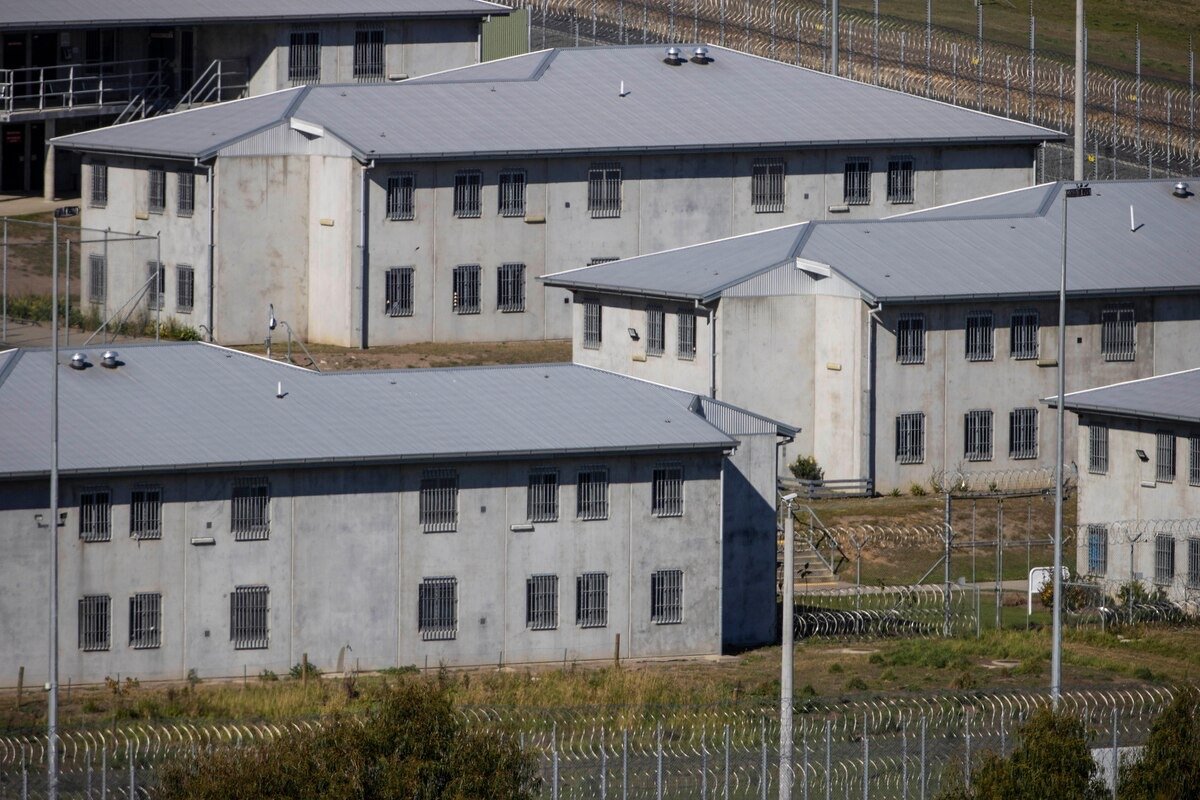
The scale of the challenge was highlighted in an ABC News report featuring Shannon Pursell, a 37-year-old convicted drug trafficker who has spent much of his adult life moving in and out of Risdon Prison.
Pursell said the pressures after release were not limited to avoiding former associates or substance use. Ordinary tasks such as arranging a phone, paying rent and navigating unfamiliar technology could become overwhelming. He described alcohol and drug use as major factors in his previous offending, which progressed from trespass and burglary to assault and drug trafficking.
His experience reflects concerns raised by justice advocates about the combination of housing insecurity, difficulty finding work, social stigma and limited access to treatment. These pressures can leave people poorly equipped to rebuild stable lives after custody, increasing the risk that they return to the criminal justice system.
Peer coaching program reports early progress
Pursell has received support through Building Pathways, a program run by Men’s Resources Tasmania at Risdon Prison. Its transition-to-community initiative offers one-on-one coaching before release and more intensive contact during the early period back in the community.
Program manager Brendan Sullivan told the ABC that the work focuses heavily on communication, conflict management and repairing relationships. Sessions are tailored to each participant, with support increasing after release when feelings of shame, uncertainty and disconnection can be particularly acute.
Building Pathways has supported about 60 people over four years, with approximately 35 completing the program. Sullivan said he was aware of three graduates who had returned to prison. The numbers are small and do not establish how the approach would perform at a larger scale, but they offer a promising indication of what sustained, individual support may achieve.
Pursell has remained out of prison without a new charge for about 18 months, his longest such period since first entering custody as a young man. He now cares for his two children full-time and is being trained as a peer-support mentor. He also receives help from a drug counselling service.
Unresolved case clouds progress
Despite that progress, Pursell faces uncertainty over an older drug-trafficking charge dating from before his most recent prison term. He is yet to be sentenced and has a court appearance scheduled, although the ABC reported there was a possibility prosecutors could drop the matter.
The unresolved case underlines the complexity of rehabilitation: improvements made after release can coexist with legal consequences from earlier conduct. Pursell has expressed remorse for the harm caused by drug distribution and hopes mentoring others will allow him to contribute positively.
Calls for broader investment
Justice Reform Initiative coordinator Pat Burton said Tasmania had underinvested in prison rehabilitation for decades. He argued that education, alcohol and drug treatment, mental-health care and medical support improve a person’s chance of remaining in the community.
A parliamentary inquiry into Tasmanian adult imprisonment and youth detention previously found rehabilitation investment and support inadequate. Its final report recommended more targeted early-intervention and diversion programs.
The Tasmanian government says it is committed to lowering recidivism under its corrections strategy and provides prisoners with intervention programs, counselling, mental-health assistance and support through Community Corrections after release.
With 844 inmates recorded in Tasmania between October 2025 and March 2026, advocates say small programs alone cannot meet the scale of need. The policy question is whether personalised support that appears useful for a limited group can be expanded, evaluated and sustained across the prison system.