
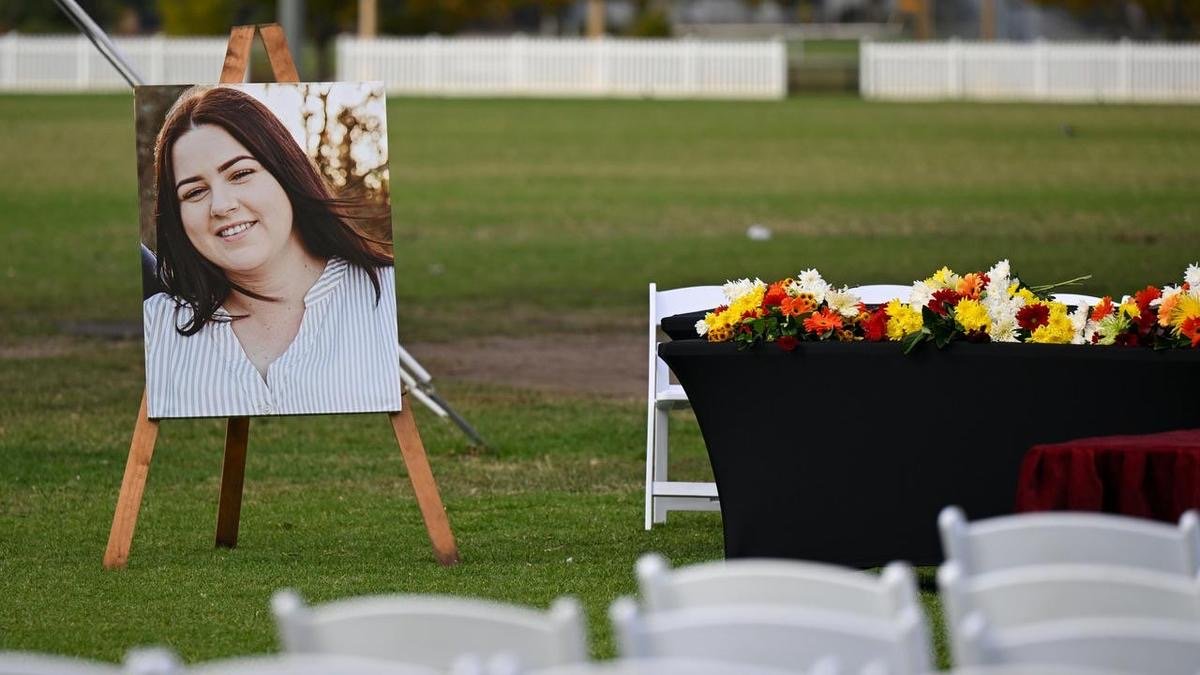
Daniel Billings is due to face a two-day sentencing hearing in Orange after pleading guilty to the murder of Forbes childcare educator Molly Ticehurst, whose death became a focal point in Australia’s debate about domestic and family violence.
Ticehurst, 28, was found dead at her home in the central-west New South Wales town in the early hours of April 22, 2024. According to an agreed statement of facts before the court, Billings broke into her bedroom and stabbed her 15 times during an attack that lasted less than a minute.
Billings, now 31, entered a guilty plea to murder in November 2025 following lengthy legal negotiations. He has remained in custody since being charged and is expected to appear in person when the sentencing proceedings begin on Thursday.
Prosecution does not seek a life term
During a NSW Supreme Court mention on Monday, Justice Natalie Adams said she did not expect either legal team to argue for a life sentence. Crown submissions do not ask the court to impose life imprisonment, but prosecutors contend that Billings’ culpability was “extreme” and that he should receive no sentencing discount.
The final penalty will be determined by the court after it considers the agreed facts, submissions from the prosecution and defence, victim impact material and expert evidence. Justice Adams indicated that mitigating factors would also have to be assessed, as they are in almost every sentencing exercise.
A date later in September is expected for the sentence itself. The hearing in Orange is set to include statements from Ticehurst’s family and evidence about Billings’ mental state at the time of the killing. Videos he recorded before and after the murder are also expected to be shown.
Earlier charges and evidence before the court
Billings had been charged with alleged sexual assaults against Ticehurst and several domestic violence offences a little over two weeks before her death. He was released on bail by a local court registrar the following day.
The sexual assault charges were later withdrawn when he pleaded guilty to murder. Billings denied the rape allegations. At Monday’s mention, the judge discussed the legal difficulty of considering Ticehurst’s earlier statement to police when the allegations had not been tested at trial and she could not give evidence.
Justice Adams said the account could not simply be ignored because the allegations and Billings’ grievance about them formed part of the circumstances said to have preceded the murder. The court will need to decide how that material can properly be used within sentencing law.
Case prompted changes to NSW bail laws
Ticehurst’s killing prompted public vigils and renewed scrutiny of how the justice system handles accused domestic violence offenders. Her death came amid a wider national reckoning over violence against women and intensified calls for stronger protections for people reporting abuse.
New South Wales subsequently tightened bail settings for serious domestic violence offences. The reforms included a requirement for electronic monitoring when bail is granted to people accused of certain serious domestic violence crimes, along with changes intended to ensure key bail decisions are made by judicial officers.
The sentencing hearing will focus on the penalty for Billings’ admitted murder rather than determine guilt, which was resolved by his plea. The court’s task will be to weigh the objective seriousness of the crime, Billings’ personal circumstances, the material presented by experts and the harm described by Ticehurst’s family.
For the Forbes community and those who rallied around the Ticehurst family, the hearing marks another significant stage in a case that has already influenced the state’s response to domestic violence.