Sydney’s Underworld Turns Cheap, Young and Reckless as Police Hunt the ‘Violence Brokers’
By The Times of Australia
Sydney’s gangland war has shifted into something uglier and harder to read: not the old model of tight crews, disciplined orders and carefully planned hits, but a cut-price market for violence where teenagers and first-timers are being pulled into shootings, kidnappings and firebombings for cash.
The latest account from NSW Police, reported by ABC News on Tuesday morning, lays out a grim change in the city’s organised crime scene. Assistant Commissioner Scott Cook says police are now dealing with what he calls a new era of “disorganised crime”, where so-called violence brokers sit between offshore crime figures and the people carrying out attacks on Sydney streets.
The detail that cuts through is the price. Detectives have uncovered a murder contract that started at $300,000 and was eventually driven down to $3,000. Police say the job was taken on by a 15-year-old boy with no criminal history.
That number says a lot about where this war has gone. The violence is still tied to big money, particularly Australia’s drug market, but the work on the ground is being farmed out through encrypted apps and broken into smaller jobs: steal a car, find a gun, watch a house, join a crew. The people ordering it can be offshore. The people doing it can be local, young and disposable.
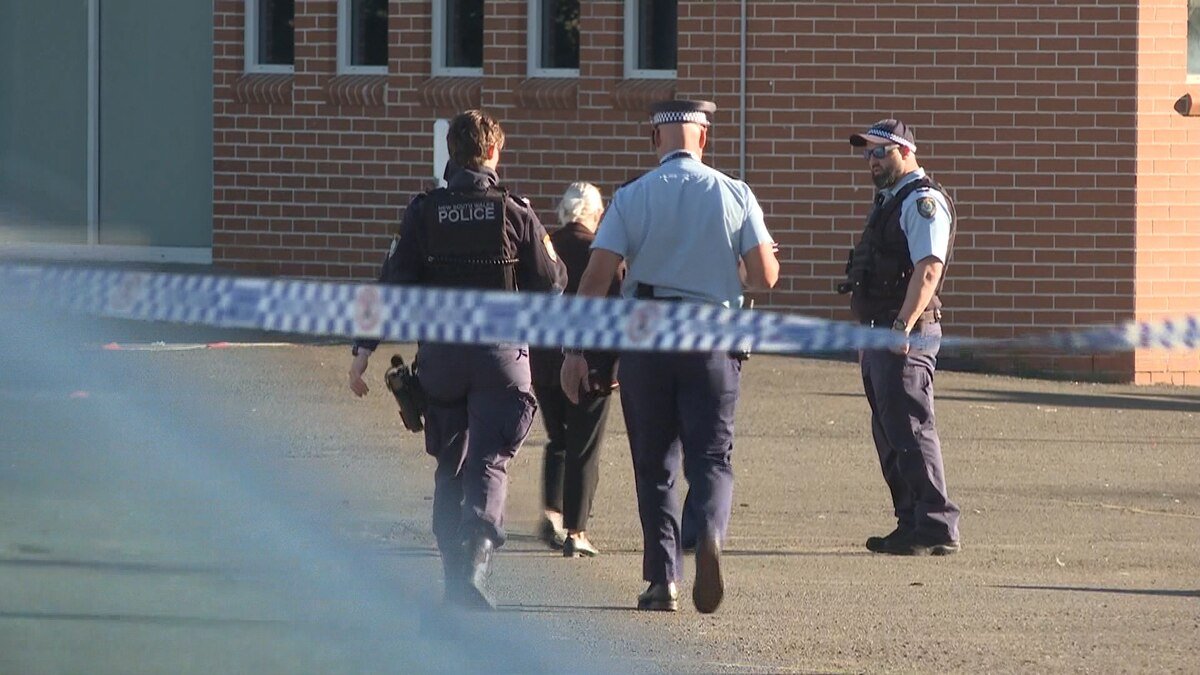
The weekend drive-by shooting at a Sydney south-west venue, which had been advertised as the site of a funeral for slain organised crime boss Lorenzo Lemalu before the service was moved, has become another marker of the chaos. Police believe much of the current violence is tied to the feud between the Alameddine network and a group calling itself the Coconut Cartel.
Cook told the ABC the violence is not a sign of strength. It is a sign that the old structure is cracking. In his view, groups making the most noise are not thriving syndicates but failing ones, driven by ego, bravado and vendetta while other international operators quietly keep making money from the drug trade.
Former detective and criminologist Vincent Hurley has warned that brokers have become the key middlemen in this pipeline. They connect offshore principals with local offenders while giving the people paying for the violence distance from the crime itself. That distance is valuable for syndicates, but it also creates a weak point for police. When investigators find a broker, Cook says, they often find a large trail of evidence.
The danger now is not just the shootings that make the news. It is the work police say they are stopping before it happens: kidnappings, attacks and retaliations that never reach the public record. The pool of young recruits appears deep, and the pitch is brutally simple: fast money, borrowed status, and the fantasy of being feared.
Cook’s warning to those recruits was blunt. They are entering a life that is likely to end in jail or death.
For Sydney, the bigger question is whether police can break the broker layer before more teenagers become hired hands in someone else’s feud. The bosses may be overseas. The market may be encrypted. But the bullets, fires and mistaken targets are landing here.
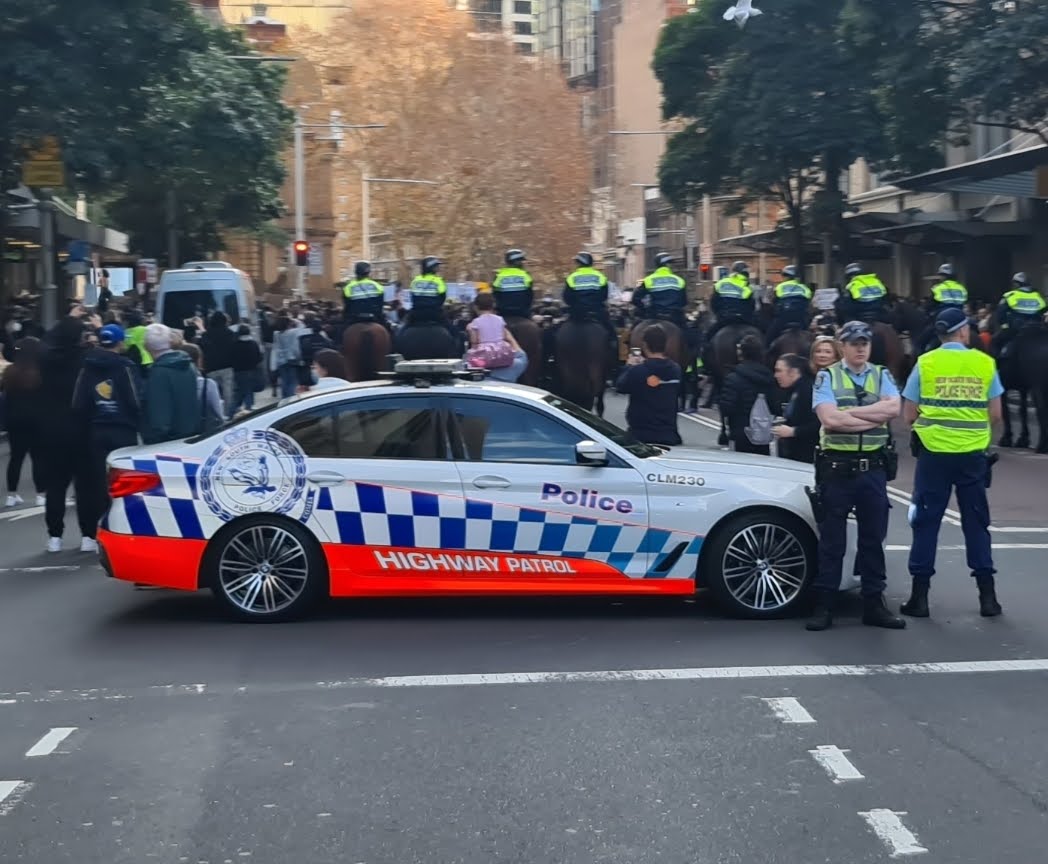
Sources: ABC News reporting published Tuesday, 9 June 2026, and NSW Police comments quoted by ABC News. Image: ZP 64 / Wikimedia Commons, CC BY-SA 4.0.