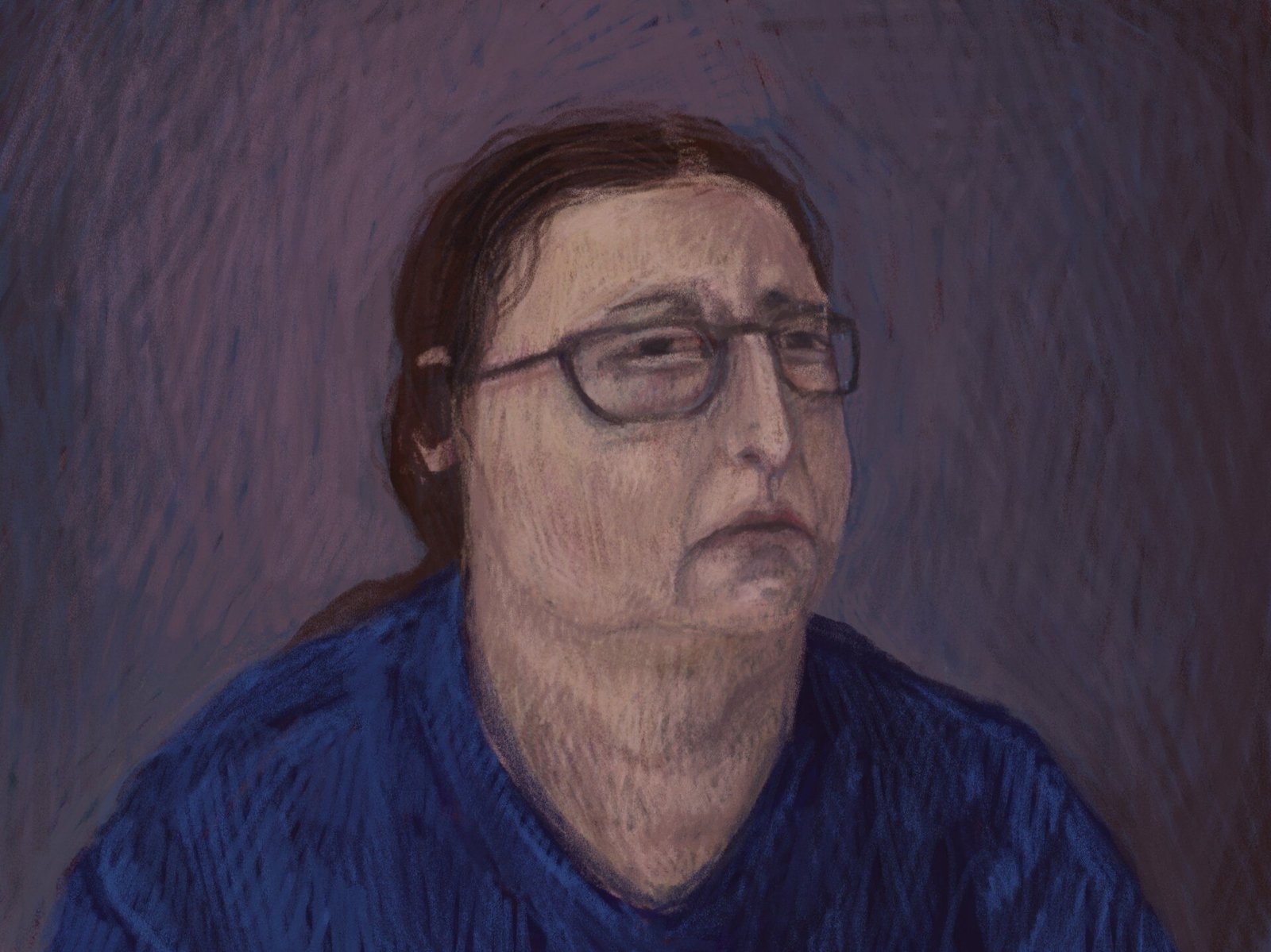
A 32-year-old solicitor has been refused bail after police allegedly uncovered firearms, ammunition and equipment linked to the manufacture of 3D-printed weapons during searches in Moree, in north-west New South Wales.
Joshua David Gale faces 16 charges arising from an investigation by NSW Police. The allegations have not been tested in court, and Mr Gale is entitled to the presumption of innocence.
Firearms and manufacturing equipment allegedly seized
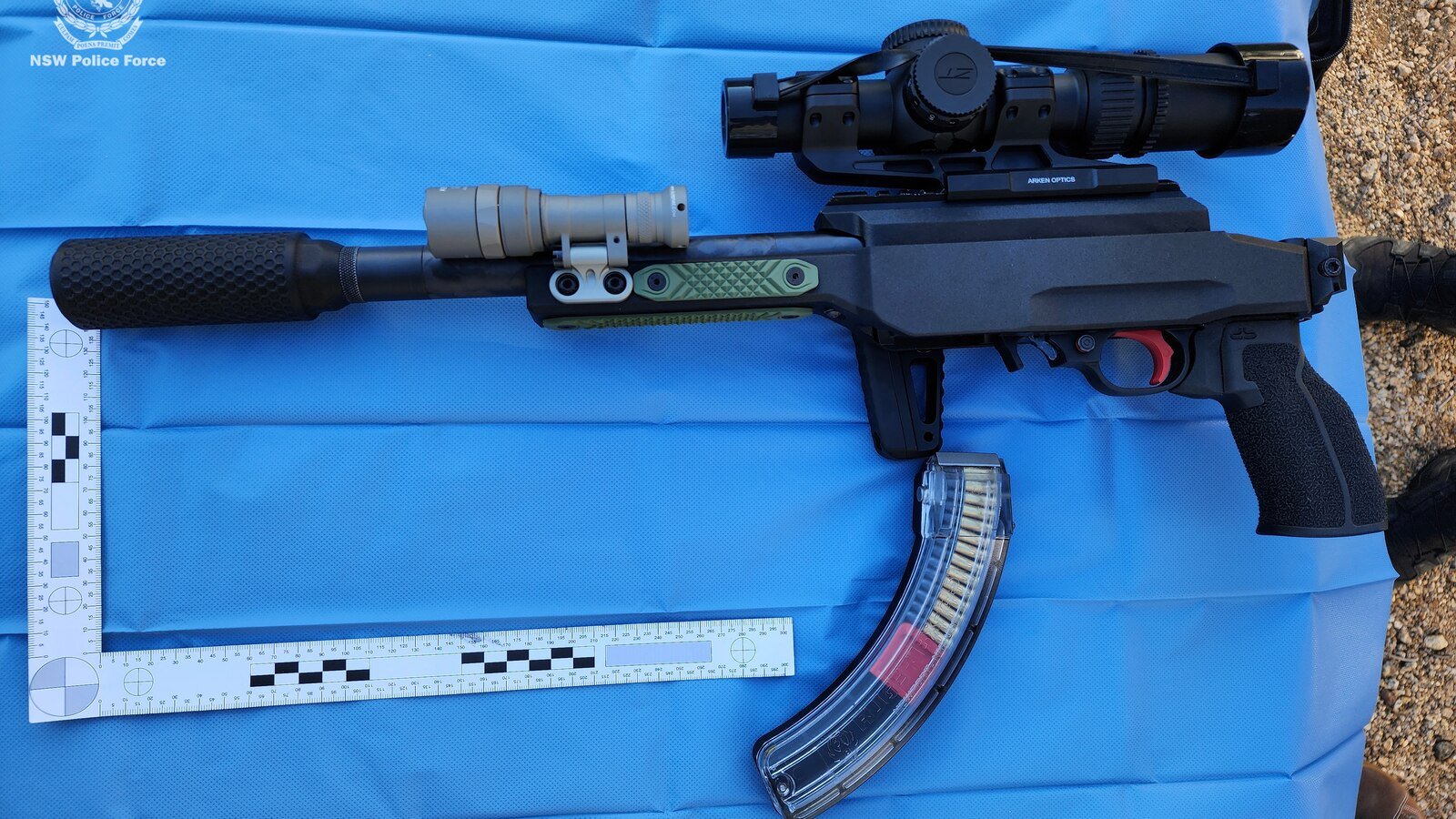
Police arrested Mr Gale during a compliance check at a Sunnyside Road property on Tuesday, August 11. Investigators allege the search uncovered a bolt-action rifle, two pistols and a semi-automatic privately manufactured firearm.
Officers also allegedly found hundreds of rounds of ammunition and equipment used to manufacture ammunition. Police said the operation followed an investigation into the production of 3D-printed firearms in Moree that began earlier this year.
A second search was carried out at an office in the town’s central business district. Police allegedly seized a 3D printer, firearm blueprints and several digital devices from that location. The ABC reported that the premises were occupied by the Aboriginal Legal Service, where Mr Gale worked as a solicitor. The organisation and the Law Society of NSW were contacted for comment.
The charges include allegations relating to manufacturing prohibited firearms and possessing or using prohibited weapons without the required authority. NSW Police described the alleged conduct as serious and said the illicit manufacture of firearms was an issue investigators were encountering more often.
Bail application refused
Mr Gale applied for release during a Bail Division Court hearing on Wednesday. He told the court that his work as a criminal defence solicitor could place him at risk in custody because he had previously received threats from former clients.
He also raised concerns about the effect detention could have on his clients and spoke about a history of post-traumatic stress disorder and his need to obtain mental-health treatment.
Police opposed bail. The prosecution submitted that the number and nature of the weapons allegedly located increased the seriousness of the case and argued that earlier legal sanctions had not prevented further alleged offending.
The court heard that Mr Gale had previously received an intensive correction order and was subject to a firearms prohibition order over matters dating to 2019. Judge Miranda Moody refused bail, saying a custodial sentence would be inevitable if the current allegations resulted in convictions.
Mr Gale is expected to return to court in early October.
Concerns over privately manufactured weapons
Privately manufactured firearms, sometimes called “ghost guns”, have become a growing focus for Australian law-enforcement agencies. Components can be produced using consumer-grade 3D printers and digital design files, while other parts may be sourced separately. The resulting weapons can present investigators with added tracing and forensic challenges.
Australian firearm laws tightly regulate the manufacture, possession and supply of guns and key components. A home-made weapon does not fall outside those controls simply because parts were created with a printer rather than through conventional machining.
NSW Police research material identifies advances in 3D printing as an emerging threat to gun control, even though conventional firearms remain responsible for most weapons recovered by authorities. Specialist state and federal teams have increasingly focused on design files, printers, unfinished parts and ammunition equipment alongside completed weapons.
The Moree case will now proceed through the courts. Prosecutors will be required to prove each charge beyond reasonable doubt, while the circumstances of the searches and the ownership, condition and alleged manufacture of the seized items are expected to form part of the evidence.