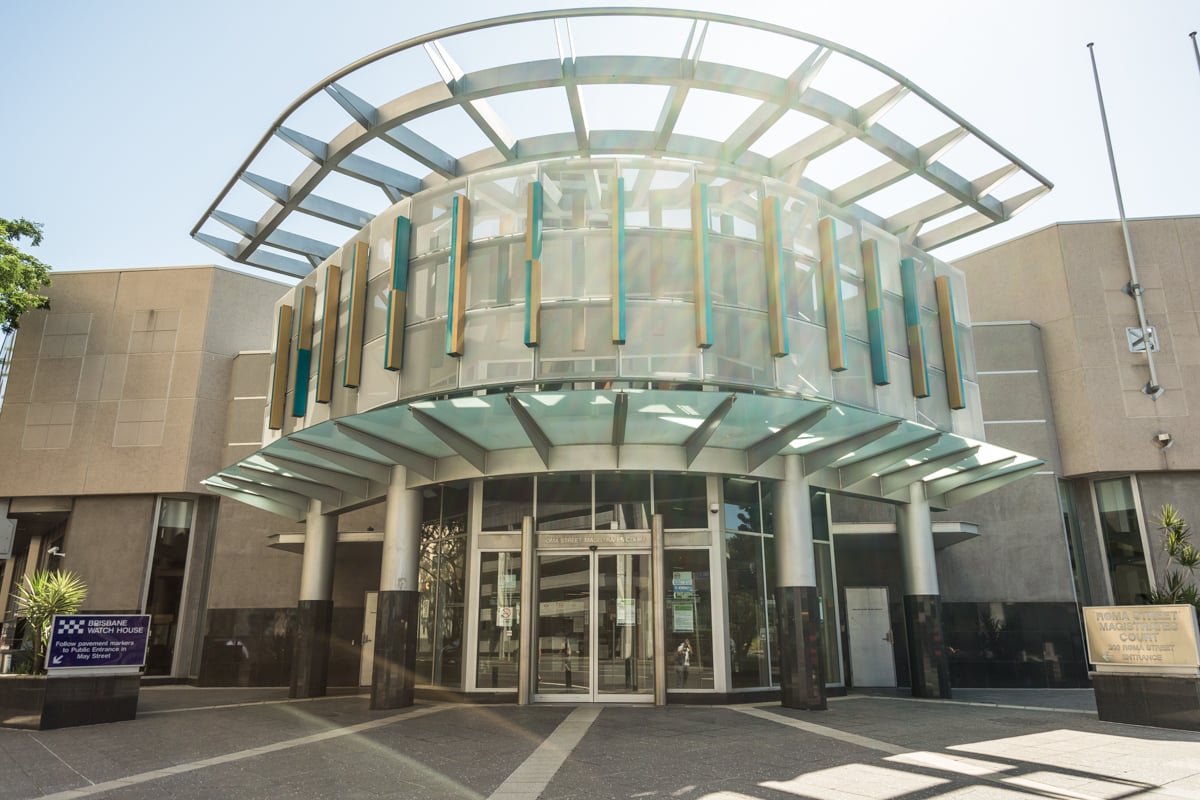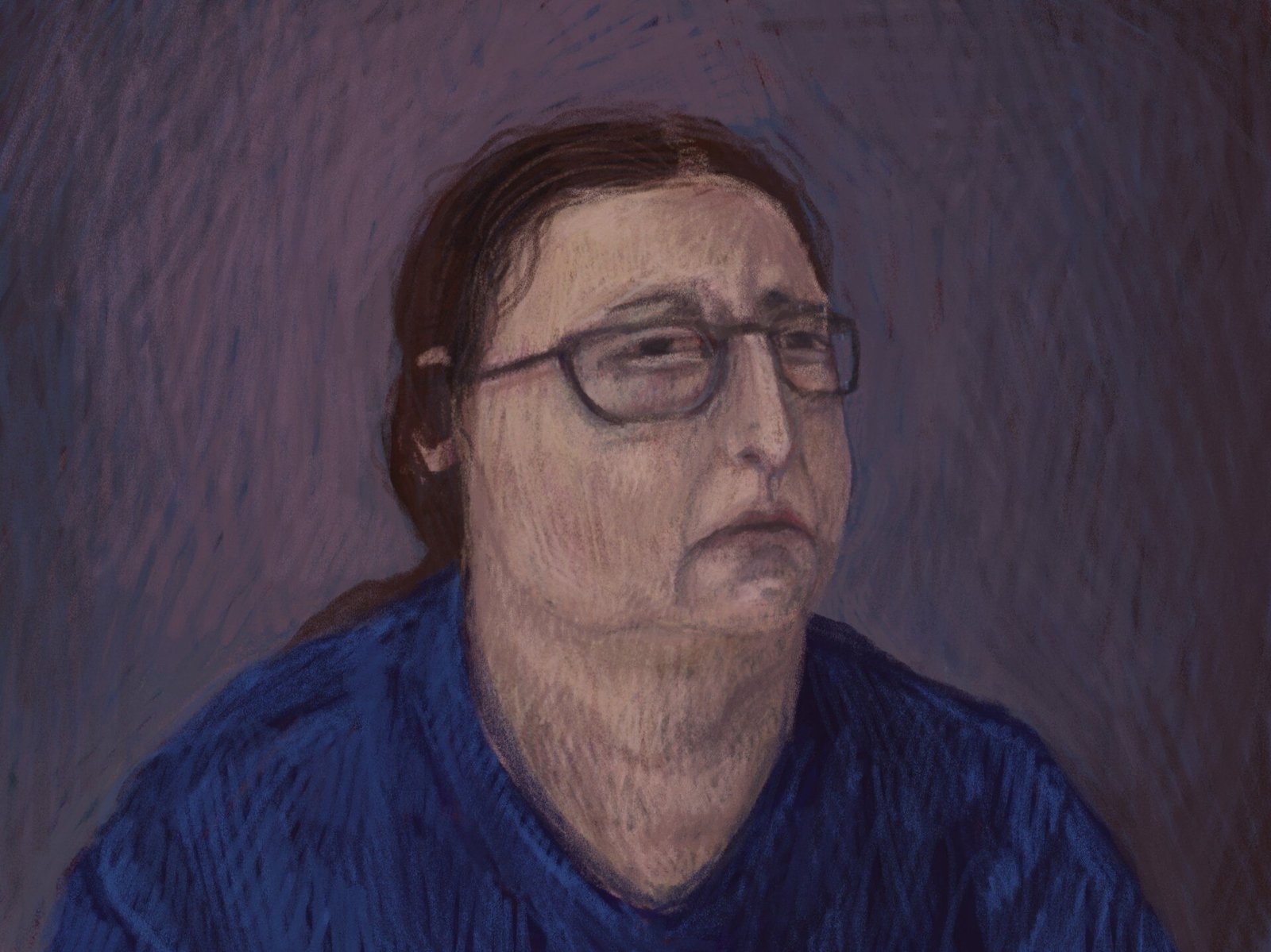
Victoria’s Court of Appeal has reserved its decision after hearing competing challenges over Erin Patterson’s murder convictions and the sentence imposed for the fatal mushroom lunch at Leongatha.
Patterson is seeking to overturn her convictions and secure a retrial, while state prosecutors are asking the court to remove her prospect of parole. The two-day hearing concluded on Thursday, with Justices Lesley Taylor, Stephen McLeish and Peter Kidd giving no date for their ruling.
Prosecutors seek a tougher sentence
Patterson was sentenced to life imprisonment with a 33-year non-parole period after being convicted of murdering Don and Gail Patterson and Heather Wilkinson. She was also convicted of attempting to murder Ian Wilkinson, Heather’s husband and the only guest to survive the meal.
The convictions relate to a beef Wellington lunch served in July 2023 that contained death cap mushrooms. Patterson maintained during her trial that the poisoning was accidental, but the jury rejected her account.
Director of Public Prosecutions Brendan Kissane KC argued that the non-parole period was inadequate given the gravity of three murders and one attempted murder. The prosecution wants Patterson resentenced without a non-parole period or, alternatively, given a longer minimum term.
The Crown submitted that the sentencing judge, Justice Christopher Beale, placed too much weight on the prospect that Patterson would face unusually harsh prison conditions because of her notoriety. Prosecutors said her circumstances are reviewed regularly and argued that the seriousness of the offending should remain the decisive consideration.
Defence points to prolonged isolation
Patterson’s barrister, Richard Edney, defended the original sentence. He told the court the conditions of Patterson’s imprisonment were a legitimate factor in sentencing and said she spends most of each day confined to a small cell.
The defence maintained that Justice Beale had properly balanced the severity of the crimes against the prospect of years in protective isolation. Patterson would be in her 80s before becoming eligible to apply for parole under the current sentence. Eligibility would not guarantee release, which would remain a separate decision for parole authorities.
Seven grounds raised against convictions
The sentence appeal ran alongside Patterson’s attempt to overturn the guilty verdicts. Her lawyers advanced seven grounds, including arguments about jury accommodation near police and prosecution staff during the trial’s final stages, the treatment of mobile-phone tower evidence, evidence about death cap mushroom sightings, excluded photographs and videos, and the conduct of cross-examination and closing submissions.
Prosecutor Jeremy McWilliams rejected the claims and described the evidence against Patterson as overwhelming. He argued that the challenged material had been handled fairly and that the verdicts were inevitable on the evidence presented to the jury.
The appeal also examined Facebook messages involving Patterson and whether they were used in a way that suggested a motive, despite prosecutors not advancing a specific motive at trial. The Crown said the messages were relevant to assessing her relationships with family members rather than proving why the crimes occurred.
Decision now awaited
The three appeal judges may uphold the convictions and sentence, order a retrial, or alter the sentence. Their decision could address both the threshold for overturning a high-profile jury verdict and the extent to which protective prison conditions should influence punishment.
Ian Wilkinson attended the hearing, while Patterson appeared by video link from the Dame Phyllis Frost Centre. With judgment reserved, the existing convictions and life sentence remain in force unless and until the court orders otherwise.