Sources: ABC News, Nine News and AAP reports on the Supreme Court of Victoria sentence handed down on 24 June 2026.
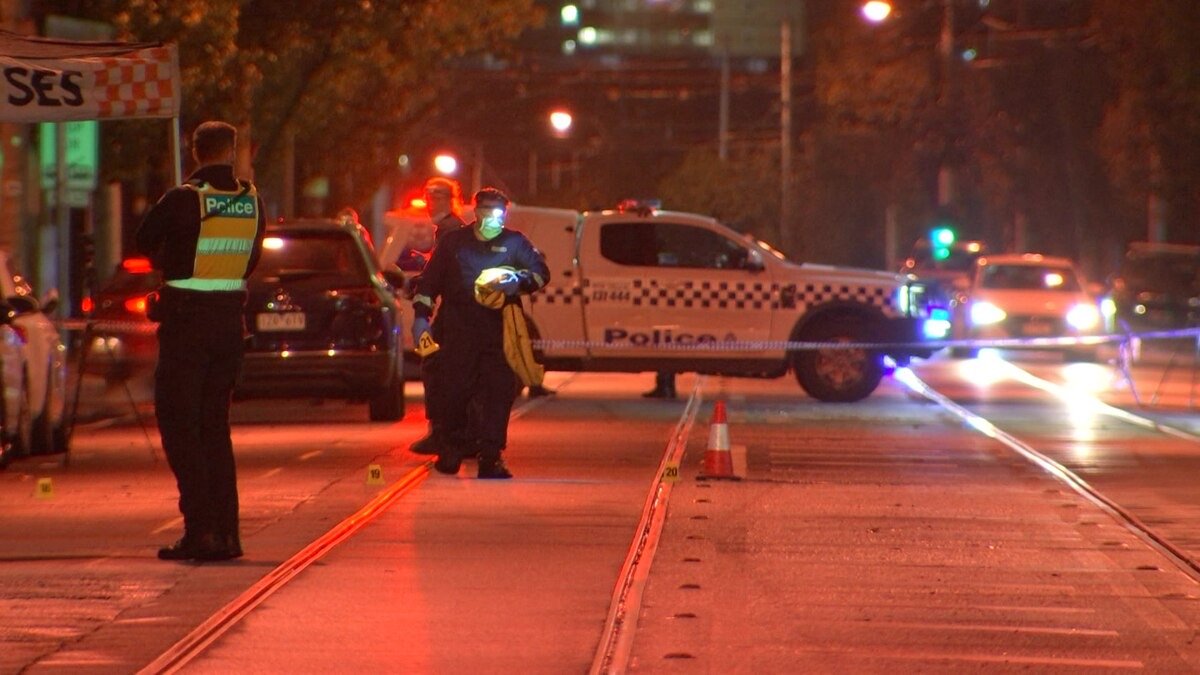
Jessie James Tumaliuan has been sentenced to 26 years in prison for murdering his estranged wife, Czarina, in Melbourne’s west, in a case that has again placed the consequences of family violence and repeated court order breaches in sharp public focus.
The sentence was delivered in the Supreme Court of Victoria on Wednesday. Reports from the court said Tumaliuan, 42, was given a 20-year non-parole period, meaning he will not be eligible to seek release until he has served two decades behind bars, less time already spent in custody. He may also face deportation after completing his sentence.
A pattern of violence before the killing
The court was told Czarina had taken steps to protect herself and the couple’s four children before she was killed at her Werribee home in March last year. She had reported Tumaliuan to police, and intervention orders had been made in an attempt to keep him away.
Those orders did not prevent the fatal attack. Justice Amanda Fox outlined a history in which Tumaliuan repeatedly assaulted his wife and breached protective orders over several years. On the day of the murder, he waited outside Czarina’s home after the school drop-off, forced his way inside and killed her.
Family members described being shattered and traumatised by the loss. The killing left four children without their mother and became another reminder of the danger faced by victim-survivors during and after separation, a period repeatedly identified by police and support services as particularly high risk.
Court condemns breach of trust
In sentencing, the court emphasised both the brutality of the attack and the broader pattern that preceded it. The sentence reflects the seriousness with which the justice system treats intimate partner homicide, particularly where a victim had already sought protection and where court-imposed safeguards had been ignored.
Reports from the hearing said Tumaliuan showed little emotion as the sentence was imposed. Justice Fox noted the devastating effect on Czarina’s relatives and children, who must now live with the consequences of a crime committed in a place where she should have been safe.
The case also raises difficult questions about enforcement and risk management in family violence matters. Intervention orders are an important legal tool, but advocates have long warned they are only one part of a wider safety response. When a perpetrator repeatedly breaches orders, the risk to the victim can escalate quickly and require urgent, coordinated action.
Family violence remains a national crisis
Across Australia, police, courts and community services continue to deal with high volumes of family violence reports. While each case has its own facts, the circumstances described in this sentencing hearing echo concerns heard repeatedly in coronial findings and public inquiries: victims often seek help before a fatal attack, and warning signs can be visible well before a killing occurs.
Support services say the most dangerous time for many victim-survivors can be when they are attempting to leave or have recently separated. That reality has driven calls for stronger perpetrator monitoring, faster risk assessments, better information-sharing between agencies and more crisis accommodation for women and children who need to leave quickly.
Czarina’s death is now part of that national conversation, but for her family it is first a personal tragedy. The court’s sentence cannot undo the harm caused, yet it formally recognises the gravity of the crime and the enduring loss suffered by those who loved her.
Anyone in immediate danger should call triple-zero. In Australia, support is available from 1800RESPECT on 1800 737 732, and Lifeline on 13 11 14.