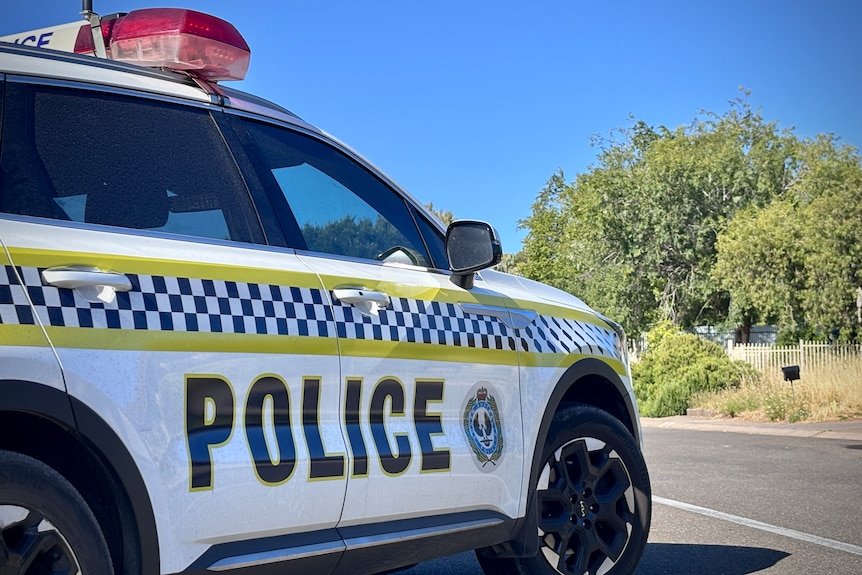
Sydney police are confronting a changing organised-crime model in which overseas-based figures allegedly outsource violence to young, inexperienced offenders recruited through intermediaries, increasing the risk that innocent people will be killed.
The warning follows two fatal shootings in Sydney this week that investigators suspect may have involved mistaken identity. University student Marco Tapia, 23, was shot at his family’s Glen Alpine home early on Tuesday, while Joshua Macdonald, 40, was killed outside a Merrylands West property about 36 hours later.
Police have said neither man was known to have links to organised crime. Separate homicide investigations are continuing, and detectives are examining whether the attacks are connected.
Violence increasingly outsourced to amateurs
NSW authorities say the structure behind gangland violence has become harder to trace. Rather than carrying out attacks directly, criminal networks are accused of using “violence brokers” to find people willing to commit shootings for money.
Macquarie University criminologist and former police officer Vincent Hurley told the ABC that these brokers can operate as a buffer between crime groups and the people who carry out an offence. The arrangement may make it more difficult for investigators to prove who ordered an attack, particularly when encrypted communications and several layers of intermediaries are involved.
The recruits are often described as young people on the fringes of criminal networks rather than experienced members of established gangs. Police say their inexperience can produce reckless planning, mistaken targets and consequences extending well beyond those involved in the underworld.
Two deaths intensify scrutiny of Sydney shootings
Mr Tapia was killed when masked attackers entered the Glen Alpine home at about 3:40am, according to police. Mr Macdonald died following a shooting outside a home in Merrylands West the next day. Authorities have publicly described both men as apparent unintended victims.
Investigators are considering the broader context of continuing tensions involving Sydney crime groups, including the fractured Alameddine network and the group known as the Coconut Cartel. However, police have not announced a proven link between either killing and a particular syndicate.
NSW Police Commissioner Mal Lanyon said the “vast majority” of comparable offences were being organised from overseas. He said those directing attacks were recruiting inexperienced young people and using encrypted communication channels. The commissioner pledged that police would continue using available technical and investigative tools to identify those responsible.
Taskforce Falcon targets organised violence
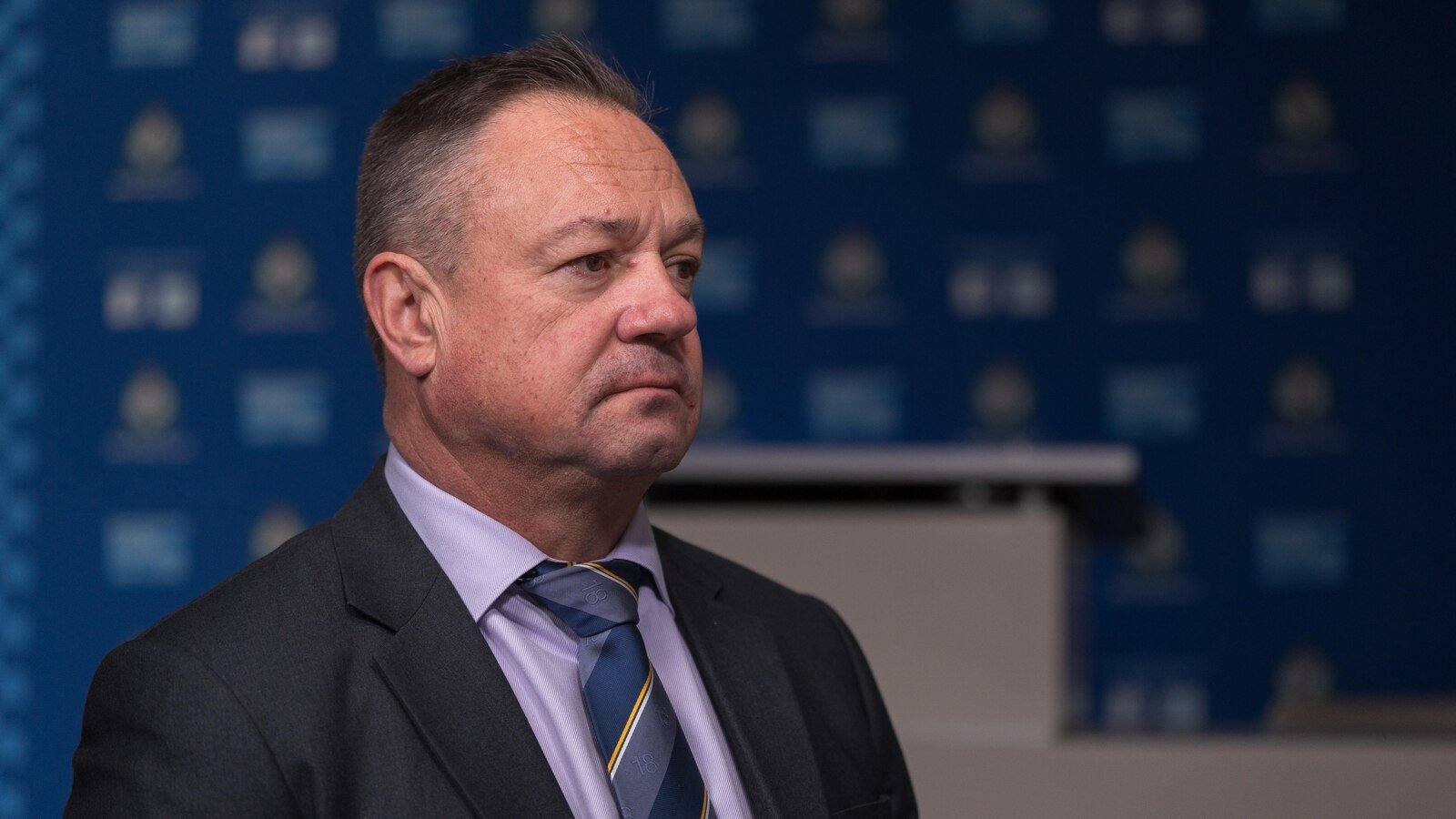
Detective Superintendent Jason Box, who leads Taskforce Falcon, said eight people had been killed in suspected mistaken-identity cases since 2021. Arrests had been made in relation to six of those deaths, while more than 800 people had been arrested for organised crime-related offences during the past year, he said.
Taskforce Falcon was established to coordinate the NSW Police response to public-place shootings and organised criminal violence. Its work includes disrupting networks, tracing weapons and communications, and investigating the people who commission offences as well as those accused of carrying them out.
Police believe pressure on established syndicates has also contributed to the shift. Arrests and the departure of senior figures overseas have weakened traditional structures, creating space for splinter groups and less disciplined operators to compete.
Police urge young recruits to consider the risks
Authorities have rejected suggestions that they have lost control of Sydney’s streets, but acknowledge the recruitment model presents a difficult challenge. NSW Police Minister Yasmin Catley described it as a new and complex frontier for law enforcement.
Detective Superintendent Box warned prospective recruits that accepting a contract could expose them, their friends and their families to retaliation in custody or in the community. Beyond the immediate danger, anyone involved could face lengthy imprisonment if convicted of murder or related offences.
The killings of Mr Tapia and Mr Macdonald remain under active investigation. Police have asked anyone with information, CCTV or dashcam footage relevant to the attacks to contact Crime Stoppers. No arrests had been announced in connection with the two deaths at the time of publication.