Western Australia’s police union is calling for tougher consequences for people who assault officers after new figures showed attacks in the Kimberley remained at a high level, while separate research identified widespread post-traumatic stress among serving police.
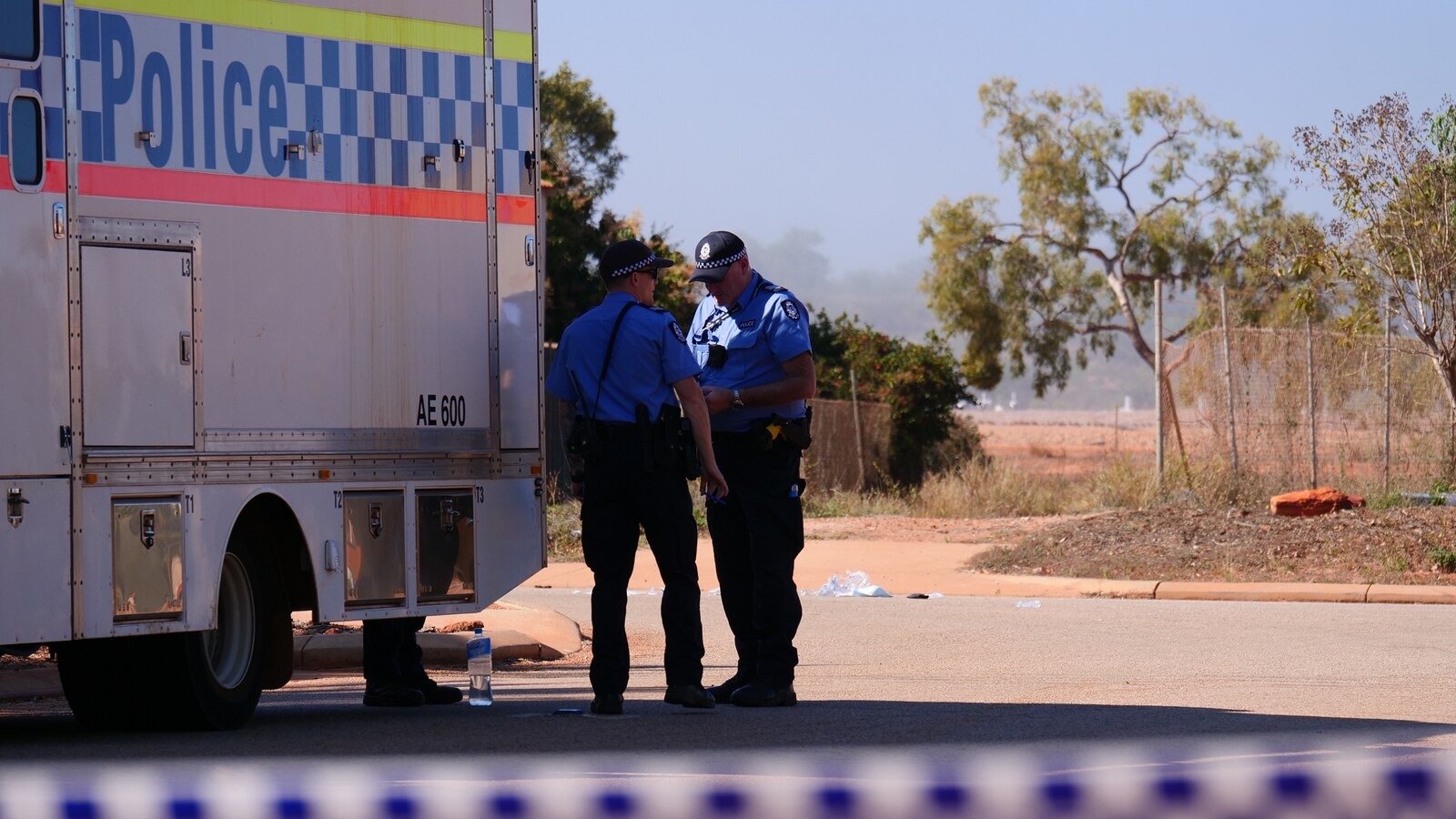
Police statistics reported by the ABC recorded 87 assaults on officers in the Kimberley in the period to June 2026. That was up from 84 during the comparable period a year earlier. The union says the incidents confronting officers are becoming more violent and can bring lasting health consequences.
Union seeks stronger sentencing response
WA Police Union spokesperson Simone Taplin said three officers in Broome were spat on while working on a single day last week. She also pointed to needle-stick injuries as another risk faced by police, requiring blood tests and medical follow-up to determine whether an officer has contracted a disease.
Under Western Australian law, a person accused of such an attack can be required to undergo testing for communicable diseases. The state also provides for a mandatory six-month jail term when someone is found guilty of assault occasioning bodily harm against a police officer.
However, the union argues that available penalties are not always producing immediate time in custody. Taplin criticised the use of suspended terms and said offenders who assault police should face meaningful punishment. The call places renewed attention on how courts balance mandatory sentencing provisions with the circumstances of individual cases.
A state government spokesperson said violence against police was unacceptable and that officers should be treated with respect. The government maintained that the mandatory term applying to assaults occasioning bodily harm was an appropriate penalty. It also highlighted investment in body-worn cameras, equipment and training.
Study points to substantial PTSD burden
The debate over assaults coincides with the release of the Blue Poppy Study, led by former WA police sergeant and researcher Dan Talbot in collaboration with Edith Cowan University, Murdoch University and the University of Western Australia.
The study surveyed 1,278 serving officers, representing almost one-fifth of the WA Police workforce. More than 38 per cent of respondents were assessed as having post-traumatic stress disorder, according to the findings reported this week. Talbot said that level was markedly above earlier estimates of about 20 per cent.
Researchers also examined where officers turned for support. Respondents most often relied on partners and other loved ones, followed by colleagues, while support from the police organisation ranked lowest. The findings suggest that informal personal networks are carrying much of the burden when officers experience trauma.
Talbot said modern officers appeared to face traumatic events with greater frequency, leaving less opportunity to recover between incidents. He hopes the findings will shape how WA Police identifies and supports members experiencing PTSD.
Pressure on regional policing
Conditions in the Kimberley add a regional dimension to the broader wellbeing issue. Officers work across vast distances and often serve communities where backup, specialist services and medical care may be far away. A physical assault can therefore affect not only the officer involved but also staffing and operational capacity across a small local team.
Recorded assaults in the region rose steadily between 2019 and 2024 before easing in 2025. The latest figures nevertheless show that risks to frontline police remain persistent. The union’s sentencing campaign and the PTSD research address different parts of that problem: one focuses on deterrence and accountability, while the other calls attention to the cumulative psychological effects of police work.
The state government said additional police were helping services respond more quickly, while acknowledging that arriving during volatile incidents can expose officers to assault. Questions now centre on whether sentencing practices, prevention measures and internal mental-health support are keeping pace with the pressures facing officers, particularly in remote areas.