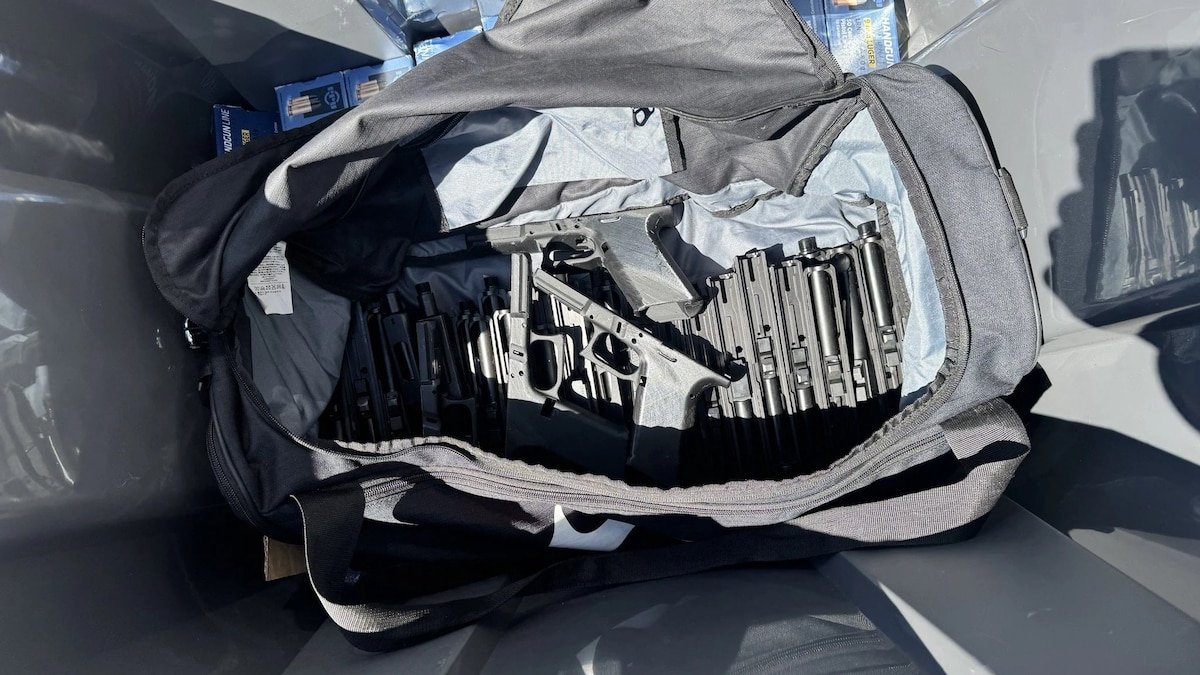
Queensland police say a new offence targeting digital firearm blueprints is already being used regularly, with 11 people charged since the state strengthened its laws in March.
Police say homemade firearms are moving from fringe risk to active crime concern
The charges relate to the alleged possession or distribution of material that can be used to manufacture firearms, including files for 3D-printed weapons. Police have described the emerging market for privately made guns as a serious public safety issue because the weapons can be produced in suburban homes, are difficult to trace, and may be combined with conventional firearm parts.
The Queensland government introduced the blueprint offence after the Bondi terror attack, making it illegal to possess instructions for creating 3D-printed weapons. New South Wales and Tasmania have similar laws. The Queensland figures suggest the offence is not sitting idle: since March, police have charged roughly one person every fortnight.
Detective Inspector Brad Phelps, from Queensland Police’s Crime and Intelligence Command Drug Squad, said Australian jurisdictions were reporting increases in privately made firearms being seized and linked to violent offending. Police say such weapons can be made without serial numbers, making investigations harder once a gun enters criminal circulation.
Recent seizures show scale of alleged activity
Among the Queensland cases cited by police are two men accused of possessing 34 Glock-style 3D-printed firearms, about 800 rounds of ammunition, handgun magazines and a hard drive allegedly containing 3D-firearm blueprints. The pair were arrested after a vehicle search at Surfers Paradise in March.
Police have also pointed to a Bundaberg matter in which a person allegedly had three rooms set up with 3D printers operating to produce firearms. Investigators say the technology can allow a person with access to a printer and online files to manufacture parts that, alone or in combination with other components, can create a lethal weapon.
The issue has gained sharper public attention after recent violent incidents, including the fatal shooting of a woman on the Gold Coast at the weekend. Police and gun-control researchers have warned that so-called ghost guns create new challenges for law enforcement because they can be made away from traditional supply chains and may not carry identifying marks.
Experts say deterrence will take time to measure
Samara McPhedran, from the Violence Prevention Institute, said the spread of private manufacture had changed the economics of illegal firearms. She said 3D printing had put illicit manufacturing within reach of people who could afford the equipment and wanted to supply a criminal market.
However, she cautioned that it is too early to say whether the Queensland law will deter offenders. The first test is whether police can use the legislation to lay charges. The next questions will be how courts interpret the offence and whether, over time, the law reduces the supply of illegal homemade firearms.
Queensland’s legislation carries a maximum penalty of 10 years in prison for possession of a firearm-manufacturing blueprint. Police say the penalty reflects the risk that digital files can move quickly from online instructions to weapons capable of causing fatal harm.
New frontier for firearm enforcement
The latest charges underline how firearm enforcement is expanding beyond physical guns, ammunition and conventional parts. Digital files, printers and partially assembled components are now part of police search considerations, particularly where officers suspect weapons are being made for criminal use.
Authorities say the challenge is likely to grow as printing technology improves and plans circulate online. For now, Queensland police argue that the new offence gives investigators another tool to intervene before a homemade weapon is finished, sold or used in violence.