A Queensland homelessness advocate has called for a pause on enforcement-led camp clearances after police used a Taser during a confrontation with a man at Pelican Park, north of Brisbane.
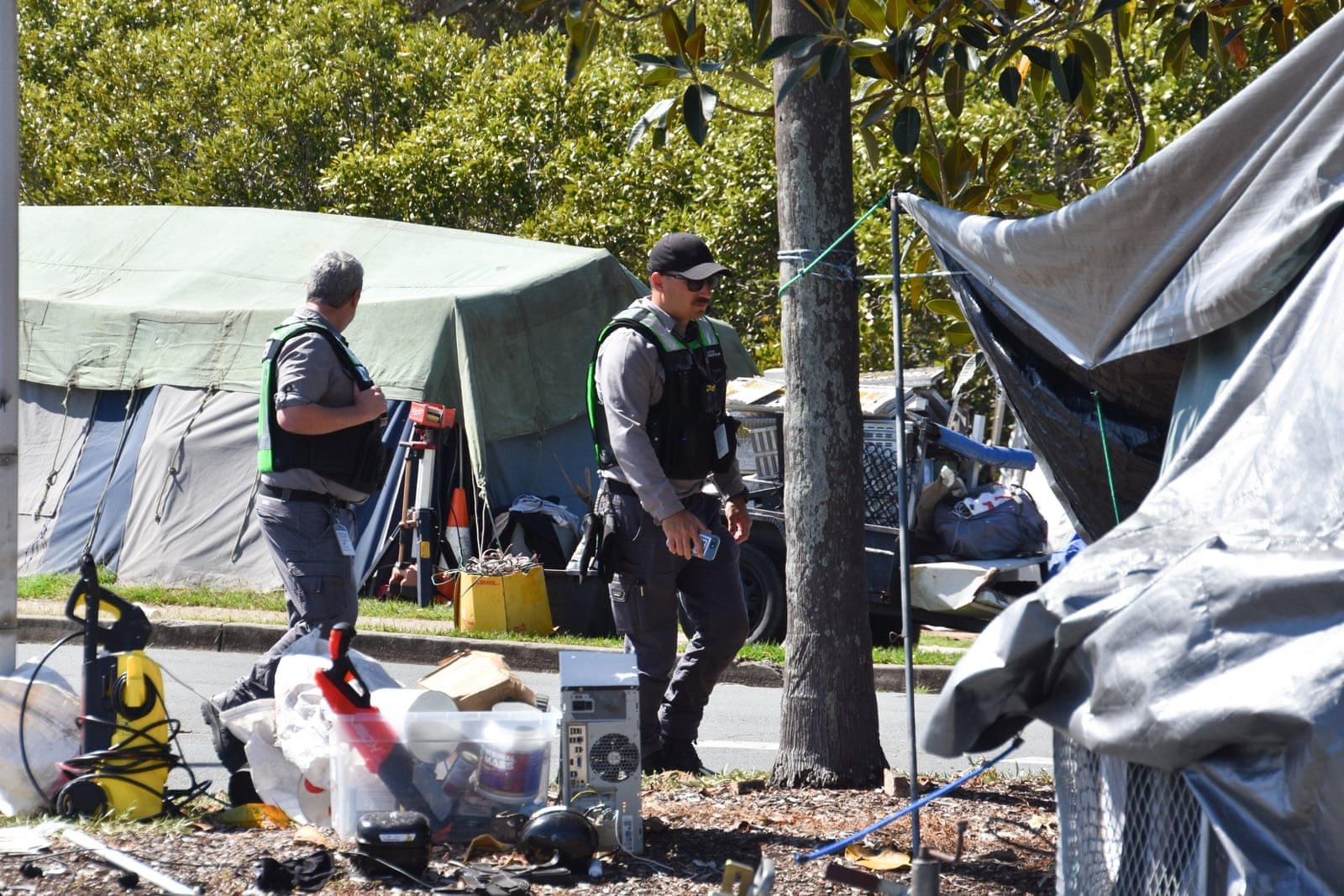
The incident occurred on September 1 after City of Moreton Bay rangers directed six people sleeping at the Clontarf waterfront park to leave within 24 hours. The direction was issued ahead of a kite festival scheduled for the park.
The 48-year-old man, whose name has been withheld, said he could not move the camper trailer in which he was living because he no longer held a driver licence. He feared the trailer and his belongings would be impounded.
Police say officers attempted to de-escalate confrontation
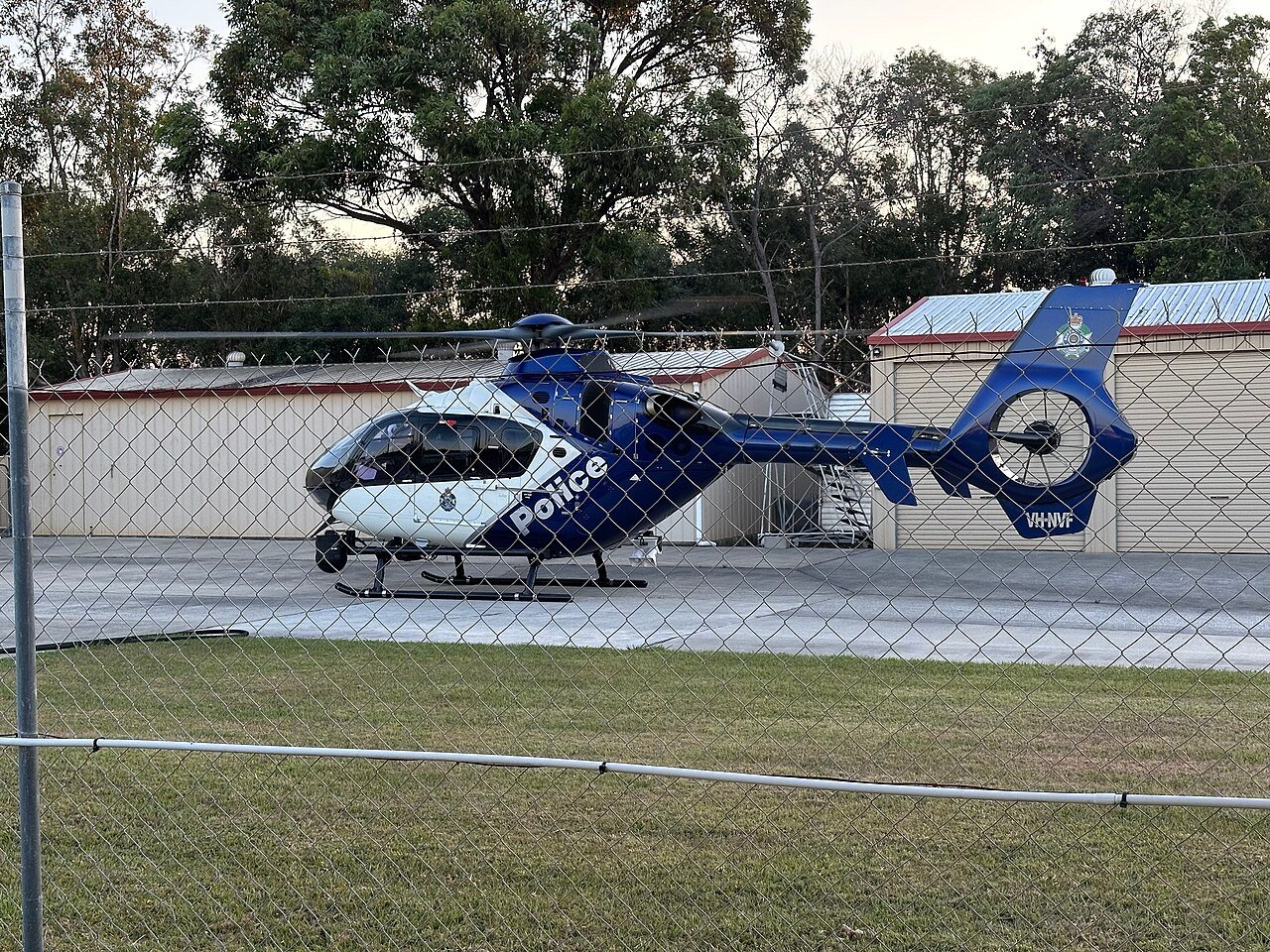
During the confrontation, the man seriously injured himself with a knife. Queensland Police said officers tried to de-escalate the situation and disarm him but were unsuccessful. Police then deployed a Taser at least twice, according to the man’s account reported by Guardian Australia.
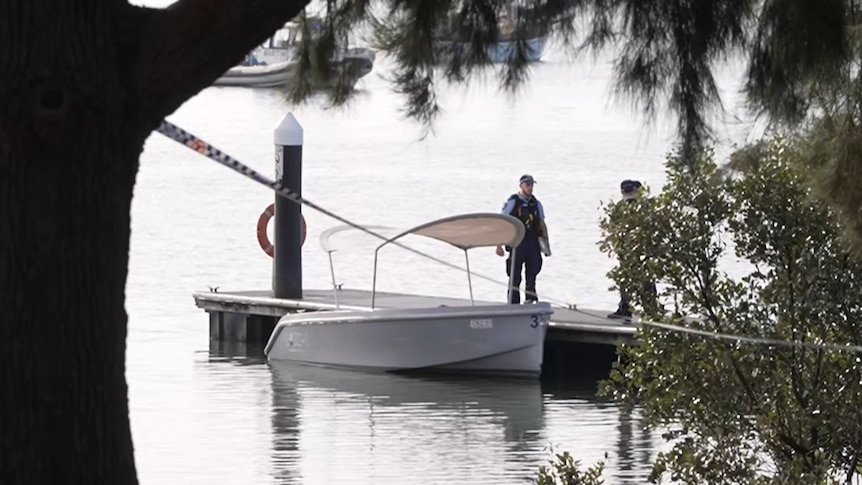
Officers immediately provided first aid for what police described as a serious self-inflicted injury. The man was taken by ambulance to the Royal Brisbane and Women’s Hospital, where he underwent surgery and spoke with a mental health worker.
Queensland Police said the service remained committed to mental health training for officers. The training is intended to improve awareness of different categories of mental illness and help police apply appropriate strategies when responding to people in distress.
The man said he had not threatened anyone else. Police have not alleged that he did so. He returned to the park after being discharged from hospital and said his housing situation had not changed.
Advocate urges halt to camp clearances
Beau Haywood, founder of the homelessness charity Nourish Street, said the episode demonstrated the risks created when vulnerable people feel cornered during camp removals. He called on the council to suspend clearances until it could demonstrate that they were being carried out safely and lawfully, with adequate consideration for residents’ physical and mental health.
The man had been living in the Moreton Bay area without stable housing for more than three years and was on the social housing waiting list. He also has prostate cancer, according to the report. A homelessness service was attempting to arrange for his vehicle to be moved to another park.
Metro North Health declined to discuss the details of his treatment, citing patient privacy and confidentiality.
Moreton Bay policy remains under scrutiny
The case has renewed attention on how local authorities respond to people sleeping in public places during Queensland’s housing shortage.
Moreton Bay has previously faced legal scrutiny over its approach. The Queensland Supreme Court found that an earlier clearance of a homeless camp at Lawnton breached the state’s Human Rights Act. Clearances were halted for a period but later resumed after the council announced that it would designate a park for people experiencing homelessness.
Housing demand across the region remains severe. Moreton Bay had 5,146 people on its social housing waiting list at the latest reported count in 2025, while the statewide list contained 44,294 people.
The Pelican Park incident raises difficult questions for police, councils and health services about how move-on directions should be handled when a person is unable to comply and shows signs of acute distress. It also highlights the practical limits of enforcement when people have no secure alternative place to live or store their belongings.
No finding has been made that the officers or council rangers acted unlawfully in this incident. The accounts available publicly indicate that police were responding to an immediate risk of serious harm, while advocates argue that earlier intervention and housing support could reduce the chance of such confrontations escalating.
Support is available
Anyone in Australia experiencing a personal crisis can contact Lifeline on 13 11 14. In an emergency, call Triple Zero (000).