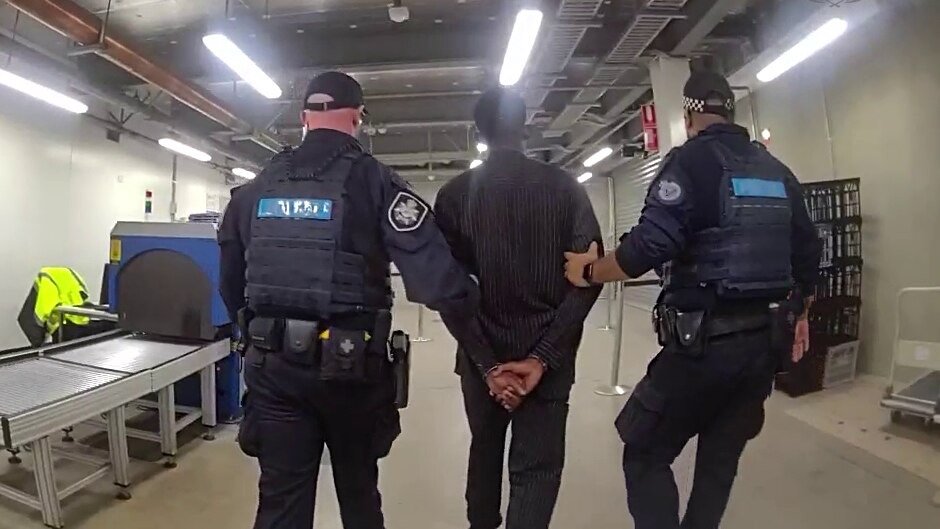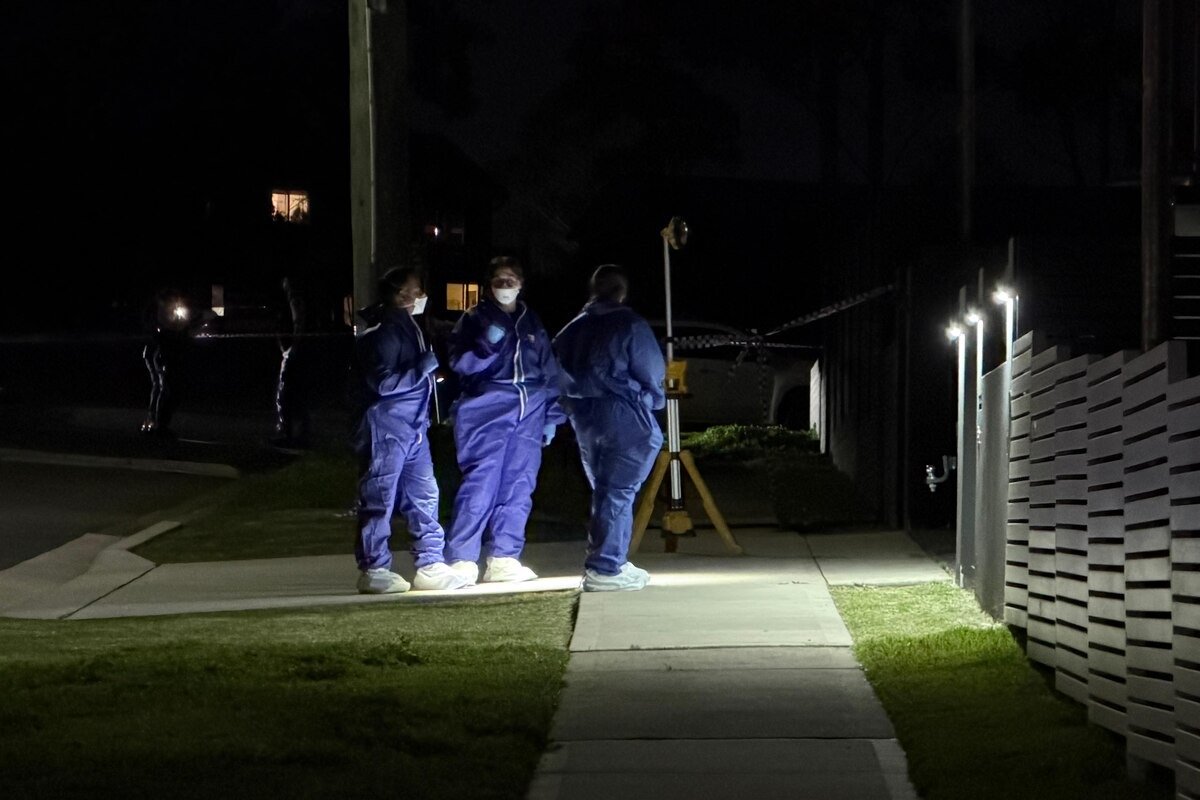
New South Wales police are set to receive faster powers to restrict people suspected of involvement in organised crime as the state government responds to a renewed wave of gangland violence in Sydney.
The proposed changes would allow police to impose interim serious crime prevention orders without first waiting for approval from the Supreme Court. The government says the measure is intended to help investigators act quickly when intelligence points to an imminent risk of retaliation or further violence.
What the orders can restrict
Serious crime prevention orders, known as SCPOs, can place extensive conditions on a person even if that individual has not been charged with a new offence. Existing orders may limit where a person lives, whom they contact, which phones or vehicles they use and how they access financial accounts.
Recipients can also be required to provide passwords for email or social-media accounts. Breaching an order can lead to criminal penalties, including imprisonment.
At present, NSW Police must apply to the Supreme Court for an SCPO. That process can take weeks or months, reducing the usefulness of the orders during rapidly escalating disputes. The proposed interim model is designed to close that gap, although the final safeguards and review process will be central to the legislation’s operation.
Crackdown follows deaths of innocent victims
The move follows two fatal shootings in Sydney last week that police are investigating as suspected cases of mistaken identity. Marco Tapia and Joshua Macdonald were killed in separate attacks within 48 hours, prompting renewed concern about the reach of organised crime and the use of hired offenders.
Their deaths were reported as the sixth and seventh killings of people not involved in underworld disputes but allegedly caught up in gang-related violence over the past year.
Police suspect the latest conflict involves figures associated with the Alameddine network and a newer group calling itself the Coconut Cartel. Authorities believe senior figures linked to the competing groups may be based outside Australia, including in parts of Asia, eastern Europe and Lebanon.
Overseas organisers remain a challenge
That international dimension could limit the immediate reach of the new orders. NSW law can place tight restrictions on people living in the state, but it is more difficult to disrupt alleged organisers operating from overseas and communicating through encrypted or disposable accounts.
Investigators may instead use interim orders against local associates and alleged crime-for-hire networks suspected of carrying out assaults, kidnappings or shootings on behalf of offshore figures. Police have raised particular concern about young recruits being drawn into serious offending by promises of money and status.
SCPOs have previously been used during conflicts involving the Hamzy and Alameddine families. Police credited the restrictions with helping reduce violence in 2020 by limiting communication and movement among people viewed as central to the dispute.
However, the orders have also demonstrated practical limits. Some prominent figures moved interstate to avoid the scrutiny, while others allegedly continued directing criminal activity from outside NSW.
Broad powers will require scrutiny
The proposed expansion gives police a significant preventive tool, but it also raises civil-liberties questions because restrictions can be imposed before a person is convicted of a fresh crime. Clear thresholds, time limits and rapid access to independent review will be important if interim orders are introduced.
The government argues that conventional court timelines are poorly suited to gang conflicts that can intensify within hours. Critics are likely to focus on whether urgency justifies bypassing prior judicial approval and how police intelligence will be tested.
For investigators, the immediate objective is to interrupt the cycle of retaliation before another attack occurs. Whether faster SCPOs can achieve that will depend not only on the wording of the law, but also on police intelligence, interstate cooperation and the ability to identify those directing violence from abroad.